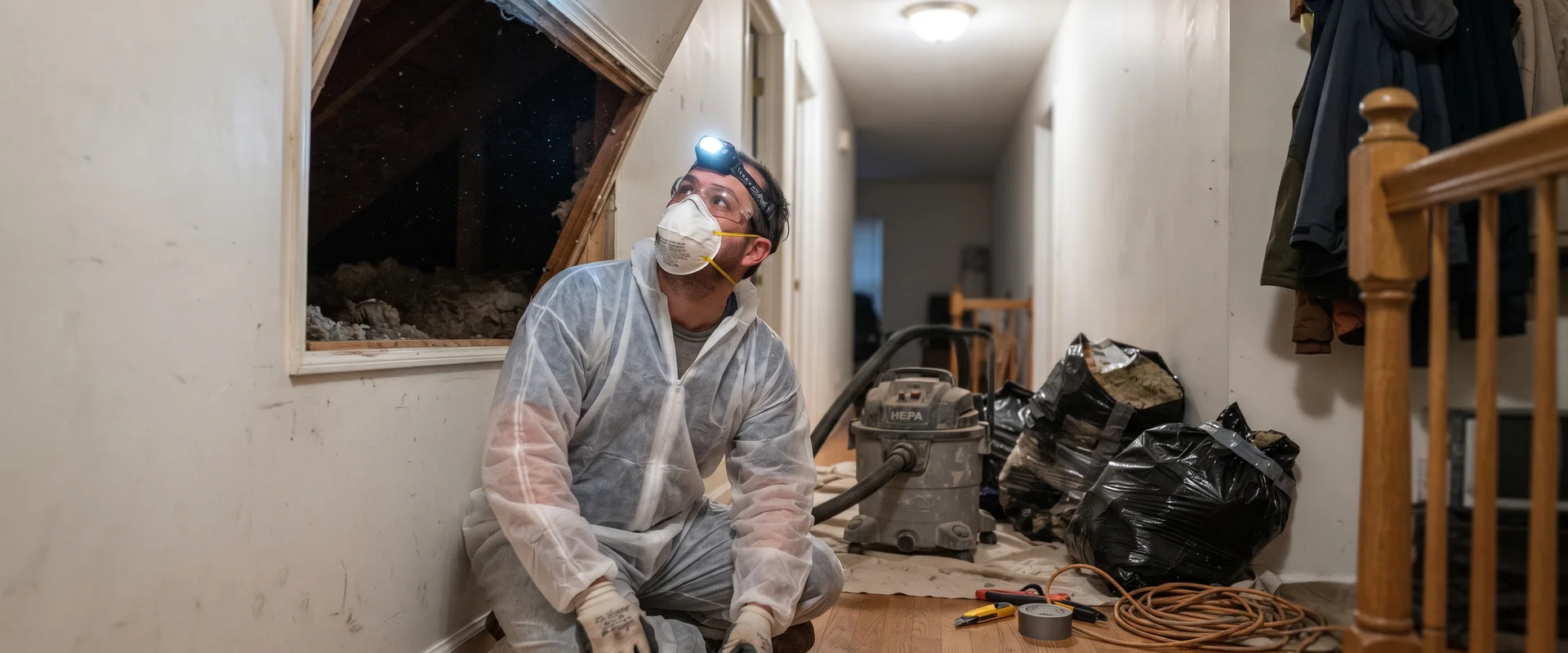
Technician in protective gear assessing a contaminated attic space

Animal Waste & Feces Cleanup in Cincinnati

Safe removal and decontamination of animal feces, urine, and rodent droppings, including hantavirus and zoonotic-pathogen risks.

OSHA compliant protocols
Discreet unmarked vehicles
24/7 emergency response
Insurance claim help
4.9 / 5 Rating 500+ Google reviews
OSHA Compliant Certified hazmat protocols
Insurance Assist We help file your claims
Trauma-Informed Compassionate, discreet crews
All of Ohio Cincinnati to Cleveland

The Problems Animal Waste Solves

These are the situations that bring families and property owners to us for this exact service.

The smell keeps returning no matter how much you clean

Urine soaks through flooring into the subfloor and wicks into the wood grain, where surface cleaners cannot reach it.

Subfloor enzyme digesters break the compounds down instead of masking them.

Rodent droppings are more dangerous disturbed than left alone

Dry sweeping or vacuuming aerosolizes particles that carry hantavirus, histoplasmosis, and other zoonotic pathogens.

We build HEPA negative-air containment before touching anything.

It's hiding in places you can't easily check

Attics, crawlspaces, and wall cavities often hold far more contamination than the rooms you actually see.

We inspect and remediate the full property, not just the visible surfaces.

Are you feeling completely overwhelmed by an animal waste cleanup project in your home right now?

Many families face this exact property crisis every single year. We understand how quickly accumulated pet or rodent droppings can take over a living space.

This specific challenge is incredibly common across the US, and there is absolutely zero shame in seeking professional help. A safe resolution is entirely possible with the right approach. Our experienced team is going to walk you through the exact steps needed to safely restore your home, the same way our hoarding cleanup and biohazard remediation crews in Cincinnati handle every call.

What Animal Waste Cleanup Involves

Accumulated animal feces, urine, and rodent droppings create serious zoonotic health risks. The mistake almost everyone makes is starting the process with a simple broom. We frequently remediate attics, crawlspaces, and entire homes facing threats from hantavirus to histoplasmosis.

Dried waste is actually at its most dangerous the moment it gets disturbed. A standard household vacuum just blows these dangerous particles straight through the filter into the air you breathe. Our crews know that aerosolized dried feces carry the microscopic particles that transmit disease.

The Centers for Disease Control and Prevention (CDC) reports that hantavirus pulmonary syndrome carries a 35% fatality rate in the US. Professional decontamination follows the strict guidelines of the ANSI/IICRC S540 standard for trauma and biohazard cleanup. We prioritize airflow control as our very first step on every job because of these high stakes.

Here is exactly how this secure process protects your family:

  • HEPA Filtration: Hospital-grade filters capture microscopic pathogens before they spread.
  • Sealed Disposal: Everything removed goes directly into heavy-duty, sealed biohazard bags rather than open bins.
  • Full PPE: Technicians wear rated respirators and disposable protective clothing for total safety.
  • Airflow Management: Strategic exhaust systems ensure clean air constantly replaces contaminated air.

Negative pressure pulls air inward and filters it aggressively before it exits the building. Nothing harmful migrates into the rest of the house while the work happens. We build heavy-duty HEPA negative-air containment zones around the entire work area before touching anything.

Urine represents the second half of the problem and the main reason terrible odors persist after a basic cleanout. Surface cleaning simply cannot reach hidden deposits soaked into the wood grain. We often find that liquid waste soaks straight through finished flooring and requires chemical treatment.

Concentrated urine releases toxic ammonia gas continuously into your living environment. The National Institute for Occupational Safety and Health (NIOSH) warns that health effects from ammonia start at just 25 parts per million (ppm). Our technicians neutralize this harmful ammonia gas to make the air immediately safer.

You can actually smell ammonia when it reaches only 5 ppm, which means an odor is a clear warning sign. The subfloor must come out completely if the saturation goes too deep. We apply specialized subfloor bacterial enzyme digesters to chemically break down uric acid crystals rather than just masking the smell.

Comparing DIY Cleanup vs. Professional Decontamination:

Cleanup ApproachTool UsedDisease Spread RiskOdor Removal
Typical DIYStandard broom or vacuumExtremely High (Aerosolizes dust)Poor (Leaves uric acid crystals)
General Cleaning CompanyWet mop and retail disinfectantModerate (No containment or PPE)Partial (Surface only, returns in warm weather)
Professional RemediationHEPA negative-air machinesNear Zero (Total containment)Complete (Bacterial enzyme digesters)

Attics and crawlspaces almost always require complete insulation extraction during this process. Fresh insulation goes in as part of the final restoration phase. We safely remove porous fiberglass or cellulose insulation because it holds contamination indefinitely.

Common Situations We Handle

Rodent infestations in attics and crawlspaces

Droppings, nesting material, and urine accumulate out of sight for years inside walls and upper levels. These complex cleanups involve full insulation extraction and intense decontamination of the structural framing. We treat these jobs with extreme caution because mice are primary carriers of the Sin Nombre hantavirus strain in the US.

All entry points must be sealed so the space remains completely safe to enter again. Proper exclusion prevents future generations of rodents from returning. Our teams secure these vulnerabilities as a core part of the restoration process.

Animal hoarding environments

Homes with many animals accumulate waste much faster than anyone can practically manage. Studies indicate the US sees up to 2,000 new animal hoarding cases annually, making this a highly recognized psychological challenge. We know that the resident is usually feeling overwhelmed by circumstances rather than being intentionally careless.

Over 69% of these situations involve severe waste buildup in primary living areas, requiring rapid intervention. This respectful approach makes a massive difference for families dealing with Hoarding Disorder levels 1 through 5. Our specialized teams handle the heavy contamination while always treating the person with the utmost dignity.

Pet accidents that saturated flooring

A single elderly or ill pet can completely saturate a subfloor over just a few months. The persistent smell easily survives carpet replacement until the underlying wood is properly treated. We frequently see homeowners waste money on new carpets because the real odor source hides deep beneath the padding.

Subfloor removal becomes the only logical fix if the structural wood begins to rot. Chemical digestion is the only way to save wood that is structurally sound but highly contaminated. Our heavy-duty enzyme treatments physically consume the odor-causing bacteria at the source.

Bird guano and bat accumulation

Guano remediation carries a very specific and dangerous histoplasmosis fungal risk. This toxic accumulation requires specialized handling to protect anyone living in the building below. We apply the exact same strict containment discipline here as we do for dangerous rodent work.

Proper abatement completely removes the threat of airborne fungal spores. Comprehensive cleaning protects the respiratory health of your entire family. Our cleanup crews safely restore attics, eaves, and detached outbuildings to a healthy condition.

Signs You Need Professional Decontamination

If you can smell ammonia when you open a door, the chemical concentration is already meaningful. The 5 ppm smell threshold means your indoor air quality is already compromised. We consider a strong odor as a clear warning sign that professional remediation is necessary.

Watch for these critical warning signs that require immediate expert intervention:

  • Widespread Accumulation: Droppings span across entire rooms rather than just one small corner.
  • Hidden Contamination: Waste has penetrated wall cavities, crawlspaces, or deep into attic insulation.
  • Vulnerable Residents: Anyone in the home suffers from asthma, COPD, or a weakened immune system.
  • Structural Damage: Flooring feels soft or spongy beneath areas of heavy pet saturation.

You simply cannot reach hidden contamination safely without negative-air containment. The physical risks are simply too great to jeopardize your health for a property cleanup project. We urge families to avoid DIY cleaning entirely when facing these dangerous hazards.

Free, confidential assessments are available to help you understand your best options. Call the helpline any hour of the day or night for immediate, judgment-free support. We will tell you plainly and honestly exactly what your specific animal waste cleanup situation requires.

Let professional technicians take this heavy burden off your shoulders today. Your home can absolutely become a safe, healthy environment once again. Our team is ready to help you take that crucial first step.
How Much Does Animal Waste Cost?

Every property is different, so we price by scope rather than a flat rate. You get the number before we start, and the estimate is free.

Typical project range
$3,000 $15,000

per project (evaluated on-site or by free photo estimate)

  • Free on-site assessment or free photo estimate
  • Small credit card deposit to start, balance billed later
  • Frequently covered by homeowners, auto, and commercial policies
  • Assistance programs can cover up to $1,000 of cleaning costs
Get a Free Estimate

What drives the price

Size of the property
Square footage, number of rooms, and whether a basement, attic, or garage is involved.
Crew size and labor hours
Severity drives how many trained technicians are needed and for how many days.
Volume of biohazardous waste
Regulated medical waste is disposed of by weight at a contracted facility with manifest tracking.
Containment and equipment
HEPA negative-air machines, hydroxyl or ozone treatment, and sealing add scope on heavier jobs.

Moderate hoarding cleanups usually land between $3,000 and $10,000. Extreme cases with severe structural damage or heavy biohazards can reach $25,000 or more. We will tell you honestly where your property sits.

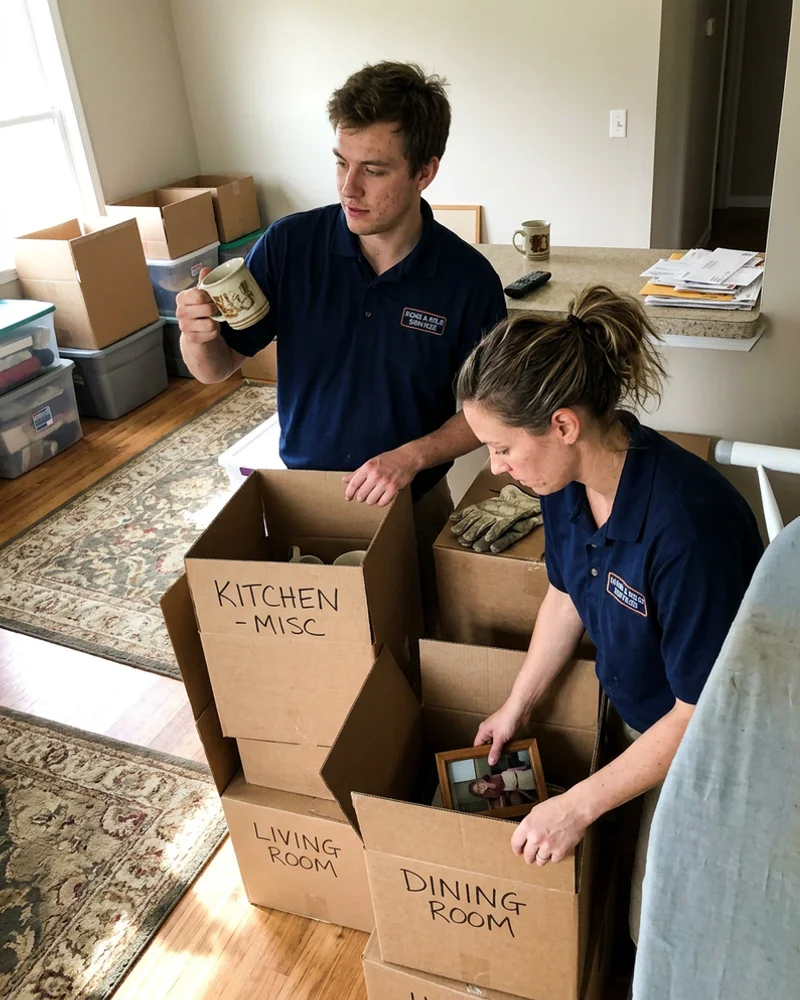
Cincinnati Hoarding Pros technicians sorting belongings inside an Ohio home
10K+
Families helped nationwide

Why Choose Us for Animal Waste

We are the Ohio team trained in both the psychology of hoarding and the science of biohazard remediation. Here is what that means on your property.

  • We treat it as a health hazard, not a mess

    Zoonotic pathogens including hantavirus, histoplasmosis, and toxoplasmosis are real risks in these environments. The work is done in proper PPE under containment for a reason.

  • We find it where it actually is

    Attics, crawlspaces, wall cavities, and subfloors hold far more than the visible surfaces do. Cleaning only what you can see leaves both the odor and the hazard in place.

  • Odor removed at the source

    Urine that has soaked into subfloor cannot be cleaned off the top. Enzyme digesters break it down, then sealing and air treatment finish the job permanently.

  • Compassion for animal hoarding situations

    Animal hoarding is a mental health condition, not a character failing. Our crews are trained to work without shame or confrontation, at the client's pace.

The Process

How Our Animal Waste Works

Every project begins with understanding, never judgment. Here is exactly what happens from your first call.

  1. Step 01

    Assessment

    We inspect the living space plus the attic and crawlspace, because that is where contamination usually hides, and measure how far urine has penetrated into flooring.

  2. Step 02

    HEPA containment

    Negative-air containment is built before anything is disturbed. Dried feces aerosolize the moment they are moved, so airflow control comes first, not last.

  3. Step 03

    Removal and neutralization

    Waste and contaminated insulation are removed into sealed bags, ammonia gas is neutralized, and subfloor enzyme digesters break down urine that has soaked into wood.

  4. Step 04

    Decontaminate and restore

    Surfaces are disinfected, the space is deodorized, and insulation and materials are replaced so the home is genuinely livable again.

Need animal waste help today?

The helpline is answered around the clock. Estimates are free and there is no obligation.

What Customers Say About Our Animal Waste

These are families and property owners who called us in the middle of the worst week of their year.

4.9 out of 5 from 500+ reviews

We had years of animal waste in the attic and crawlspace and were worried about hantavirus. They contained everything, decontaminated the whole house, and removed the smell completely. We can finally breathe again.

SK
Sandra K.
Covington, KY

They treated my mother with genuine kindness through a situation I was terrified to even mention to anyone.

RL
Rebecca L.
Hamilton County

Cleared, decontaminated, and rent-ready faster than I expected, and the smell was actually gone rather than covered up.

DM
David M.
West Chester

Animal Waste FAQs

Are animal feces and urine in a home actually dangerous?
Yes. Accumulated animal waste carries zoonotic pathogens that transmit from animals to people, including histoplasmosis from Histoplasma capsulatum in bird and bat droppings, toxoplasmosis from cat feces, and hantavirus from rodent droppings. Concentrated urine also releases ammonia gas, which causes respiratory irritation and, in enclosed spaces like attics and crawlspaces, can reach genuinely harmful concentrations.
What is hantavirus and how is it transmitted?
Hantavirus pulmonary syndrome is a serious respiratory illness transmitted primarily by inhaling aerosolized dried rodent feces and urine. The critical detail is that droppings become most dangerous when disturbed, because sweeping or vacuuming with a standard vacuum sends particles into the air. That is why we build HEPA negative-air containment before touching anything.
Can I clean rodent droppings myself?
It is not safe without proper equipment. Dry sweeping and standard vacuuming aerosolize the particles that carry hantavirus. Safe handling requires a respirator rated for the hazard, disposable protective clothing, wet methods or HEPA filtration, and sealed disposal. For a small number of droppings on a hard surface there are safe household procedures, but attic, crawlspace, and accumulated contamination needs professional containment.
Why does the ammonia smell come back after cleaning?
Because the source was never removed. Urine soaks through flooring into subfloor and wicks into wood grain, where surface cleaners cannot reach it. We use subfloor enzyme digesters that break down the compounds chemically, then seal and treat the air. Anything less is temporary.
Do you remove and replace contaminated attic insulation?
Yes. Insulation is porous and absorbs waste, so it cannot be decontaminated in place. We extract it under HEPA containment, decontaminate the exposed framing and decking, and install new insulation as part of the restoration.
How much does animal waste cleanup cost?
Most projects fall between $3,000 and $15,000. The number is driven by the affected square footage, whether attics and crawlspaces are involved, how much insulation needs extraction and replacement, and the extent of subfloor treatment required. We quote free from an on-site visit or from photos.
Do you handle animal hoarding situations?
Yes, regularly, and with care. Animal hoarding involves both a serious contamination problem and a person who is often overwhelmed and ashamed. Our crews are trained in the psychology of hoarding and work collaboratively rather than forcing the process.
How long does the work take?
Most residential animal waste projects run one to three days depending on the affected area and whether insulation replacement is involved. We give you a realistic day count with the written estimate rather than discovering it mid-project.

Still have questions?

Call the confidential helpline any time. There is no charge, no pressure, and no judgment.

Call 1-888-577-7206
Ready When You Are

Ready to Talk About Animal Waste?

You don't need to have the details sorted out before you call. Tell us what you are facing and we will take it from there, confidentially and at your pace.

1-888-577-7206
Speak With Someone Now Send Photos for a Free Quote

Free estimates · No obligation · Completely confidential