
Is It Safe to Clean Up Biohazards Yourself?
Why DIY biohazard cleanup is dangerous, covering bloodborne pathogens, cross-contamination, respiratory hazards, and legal liability, and when to call professionals.
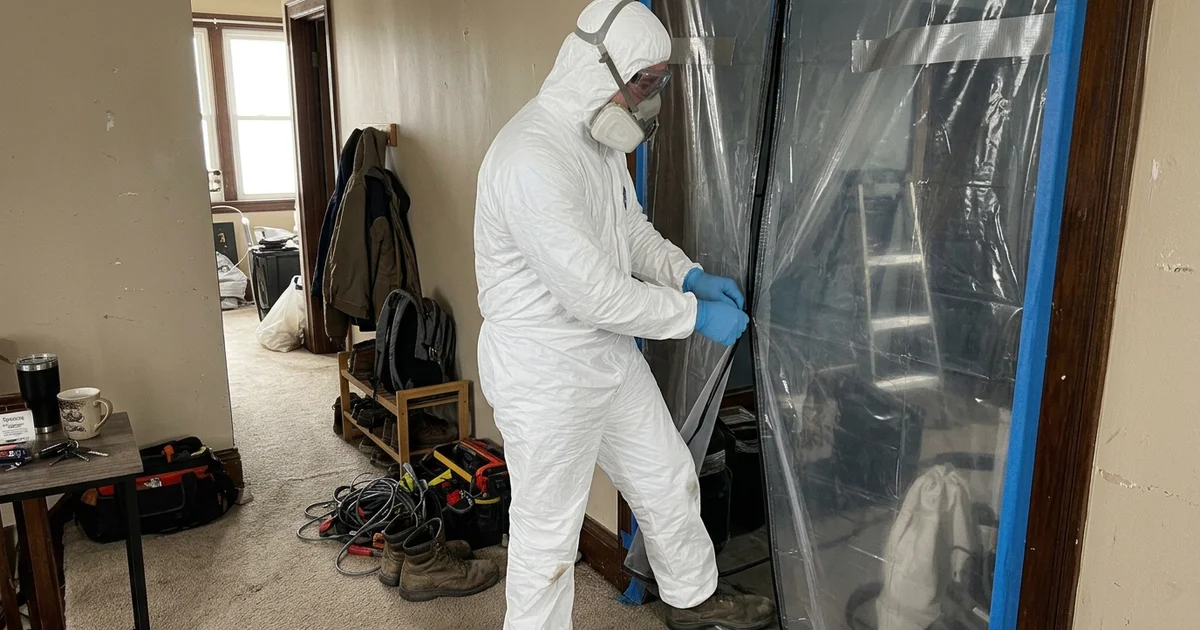
Many families facing a severe hoarding situation eventually ask if is biohazard cleanup safe to do yourself. The short answer is usually no.
We see this reality daily when overwhelmed relatives try to clear out years of accumulation in a Level 4 or Level 5 hoarding environment. The sheer volume of material hides serious risks.
Our team regularly encounters unseen biological hazards buried under harmless-looking clutter. You might think a good pair of gloves and strong cleaners are enough to handle the job.
We know that standard household supplies fail to neutralize the actual threats.
Let us look at the data, what it actually tells us, and explore why professional handling is necessary.
The Honest Answer
For a small, fresh spot on a hard, sealed surface, yes, with the right precautions. For anything beyond that, no, and the reasons are specific rather than a sales position.
Our biohazard and trauma cleanup crews work to the strict OSHA 29 CFR 1910.1030 bloodborne pathogens standard for a reason. This specific federal guideline was written after decades of documented occupational infections.
We follow these regulations because none of it is just for show. Families dealing with hoarding disorder face overwhelming physical and emotional hurdles.
Our experience shows that adding the risk of infectious diseases to that burden is a dangerous mistake.
Bloodborne Pathogens Survive Longer Than People Assume
Hepatitis B can remain infectious on a dried surface for at least seven days. Hepatitis C and HIV are less resilient but still pose a genuine exposure risk in fresh material.
We constantly remind clients that you do not need an open wound for transmission. Contact with mucous membranes is enough, and the eyes are a primary infection route that people often forget.
Our crews wear full protective gear precisely because invisible pathogens thrive in poorly ventilated hoarding environments. The person who was injured or living in the home is frequently a family member whose full medical status nobody actually knows.
Here is a breakdown of common pathogen risks in untreated environments:
- Hepatitis B: Survives up to a full week outside the body, according to the CDC.
- Hepatitis C: Survives up to four days on environmental surfaces at room temperature.
- HIV: Remains infectious in wet bodily fluids until completely dried and neutralized.
We understand the temptation to assume a space is safe just because you love the person living there. Assuming safety based on family ties is not a real assessment, it is just a hope.
Our specialized training ensures these hidden threats are neutralized completely.
Cross-Contamination Is the Bigger Practical Risk
Cross-contamination is the most common failure mode, and it is almost always invisible to the person causing it. DIY biohazard cleanup risks skyrocket when people accidentally spread pathogens throughout a home.
Our teams see well-meaning family members carry dangerous material on their shoe soles right into clean hallways. Cleaning cloths go directly from a highly contaminated hoarding zone into a kitchen sink that later gets used for dishes.
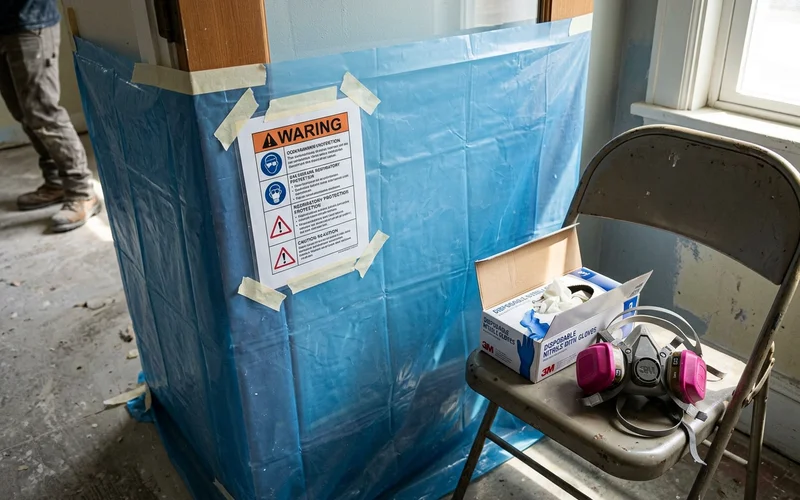
We prevent this by setting up professional containment systems to stop the spread completely. A standard household vacuum simply pulls particles in and blasts them over the rest of the house.
Our commercial negative air machines pull filtered air outward through specialized HEPA filtration. These commercial filters capture 99.97% of airborne particles down to 0.3 microns in size.
We follow strict CDC doffing guidelines to ensure protective equipment comes off inside the containment zone. This precise method guarantees nothing dangerous ends up in your kitchen.
Here are three ways cross-contamination happens during amateur cleanups:
- Footwear transfer: Walking through an affected area and tracking biological matter onto untreated carpets.
- Improper tool sharing: Using the same sponges or buckets for biohazards and regular household cleaning.
- Airflow mistakes: Opening windows or using fans that blow contaminated dust into clean rooms.
Respiratory Hazards Are Real Even Without Blood
Two specific mechanisms matter most when evaluating respiratory hazards. The first is aerosolization, where disturbing dried biological residue or rodent droppings sends particles straight into your breathing zone.
Our experts know that hoarded homes frequently harbor mice or rats, increasing the risk of Hantavirus Pulmonary Syndrome. A standard household vacuum makes this specific airborne hazard considerably worse, never better.
We constantly warn families about the second major risk, which is purely chemical. Overwhelmed individuals often reach for multiple products when a tough stain will not come clean.
Our technicians see people mix bleach with ammonia-based cleaners, which instantly produces toxic chloramine gas.
According to the American Association of Poison Control Centers, this exact chemical mixture causes thousands of dangerous exposures annually across the US.
We wear heavy-duty Tyvek suits and full-face elastomeric respirators to protect against both biological and chemical threats. A simple paper mask and dish gloves provide a false sense of security.
Our professional equipment is the absolute minimum safety requirement, never just an optional upgrade.
Disposal Is Not Optional
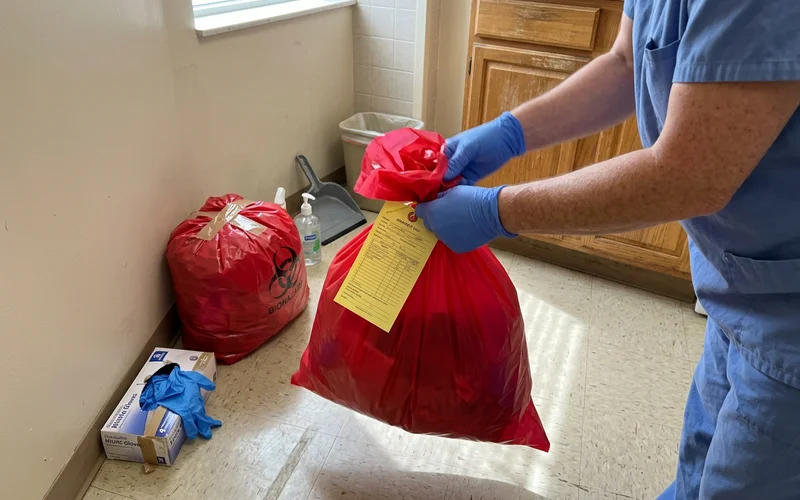
Material contaminated with blood or heavy bodily fluids is legally classified as regulated medical waste. It does not go in a standard household bin, especially during a massive hoarding cleanout.
Our teams follow strict US Department of Transportation guidelines for packaging and transporting these hazardous materials. Putting bloody items in the regular trash passes a serious infection hazard to an unsuspecting sanitation worker.
We utilize approved red-bag containment systems and rigid biohazard boxes to secure everything on site. Regulated waste then travels with proper manifest tracking directly to a contracted medical waste facility.
“Improper disposal of biohazardous materials can trigger massive fines under the US Resource Conservation and Recovery Act, sometimes exceeding $70,000 per violation.”
Our detailed documentation process ensures full compliance with federal and state environmental laws. A complete paper trail protects the homeowner from legal and financial fallout.
We produce the exact formal documentation that an insurer or a future property inspector will demand to see.
Liability and Disclosure
Undocumented remediation becomes a massive legal problem if a property is later sold or rented out. Buyers, tenants, and home inspectors will inevitably raise questions about the home’s contamination history.
Our clear service records protect families from future liability claims regarding undisclosed property damage. Having no proof of proper remediation puts the current owner in an incredibly vulnerable position during negotiations.
We supply formal documentation that satisfies the requirements of standard Seller’s Property Disclosure Statements across the US. Professional remediation always produces a comprehensive paper trail, including objective post-remediation verification results.
Our process includes scientific ATP testing to measure cellular activity and prove the surface is truly clean. That unshakeable record protects your family’s financial interests long after the physical cleaning itself is finished.
| Feature | DIY Cleanup Risks | Professional Remediation Benefits |
|---|---|---|
| Proof of Cleanup | None, relying entirely on visual appearance | Certified completion documentation provided |
| Testing Method | Guesswork and hoping it smells clean | Scientific ATP surface testing confirms results |
| Legal Protection | High risk of future buyer lawsuits | Reduces liability during real estate transfers |
What Professional Handling Actually Looks Like
If you want the full sequence of events, the biohazard remediation process step by step walks through assessment, containment, removal, disinfection, and verification. The short version is incredibly strict to ensure total safety.
Our protocols dictate that absolutely nothing is cleaned until the entire affected zone is properly sealed. True safety requires EPA-registered, hospital-grade disinfectants to neutralize bloodborne pathogens completely.
We declare a space clean only after it passes rigorous scientific testing. Nothing leaves the property without a formalized medical waste disposal record attached.
Professional clearance requires three distinct verification steps:
- Visual confirmation: Removing all visible traces of biological matter.
- Odor neutralization: Eliminating airborne volatile organic compounds.
- Scientific testing: Using ATP surface swabs to confirm zero cellular activity.
Our process guarantees a level of biological safety that a casual weekend effort simply cannot achieve. This rigorous professional difference is why you cannot clean blood safely with just a bottle of household bleach.
We encourage you to prioritize your family’s health over a fast, DIY fix. Reach out to a certified remediation specialist today to schedule a proper, safe assessment.
Frequently Asked Questions
Can I clean up blood myself?
What are the risks of DIY biohazard cleanup?
Is bleach enough to disinfect a biohazard?
What if I have already cleaned it myself?
Related Guides
How Much Does Biohazard Cleanup Cost in Ohio?
What drives biohazard cleanup cost in Ohio, from labor and medical-waste poundage to containment, plus insurance coverage and deposit terms.
The Biohazard Remediation Process Step by Step
See the full biohazard remediation process: assessment, containment, removal, EPA-registered disinfection, ATP verification, and clearance documentation.
Fentanyl and Drug Residue Decontamination
Safe fentanyl and drug-residue decontamination in Cincinnati for landlords, buyers, and first responders, covering surface contamination risks, PPE, and verification.
Sewage and Blackwater Cleanup After a Backup
Category 3 blackwater and sewage backup cleanup in Cincinnati, covering health hazards, extraction, sanitization, and drying after Ohio River and Mill Creek flooding.
Learn more about Biohazard & Trauma Scene Cleanup
If this guide described your situation, our biohazard cleanup service page walks through the full process, pricing, and what happens after you call.