
Sewage and Blackwater Cleanup After a Backup
Category 3 blackwater and sewage backup cleanup in Cincinnati, covering health hazards, extraction, sanitization, and drying after Ohio River and Mill Creek flooding.
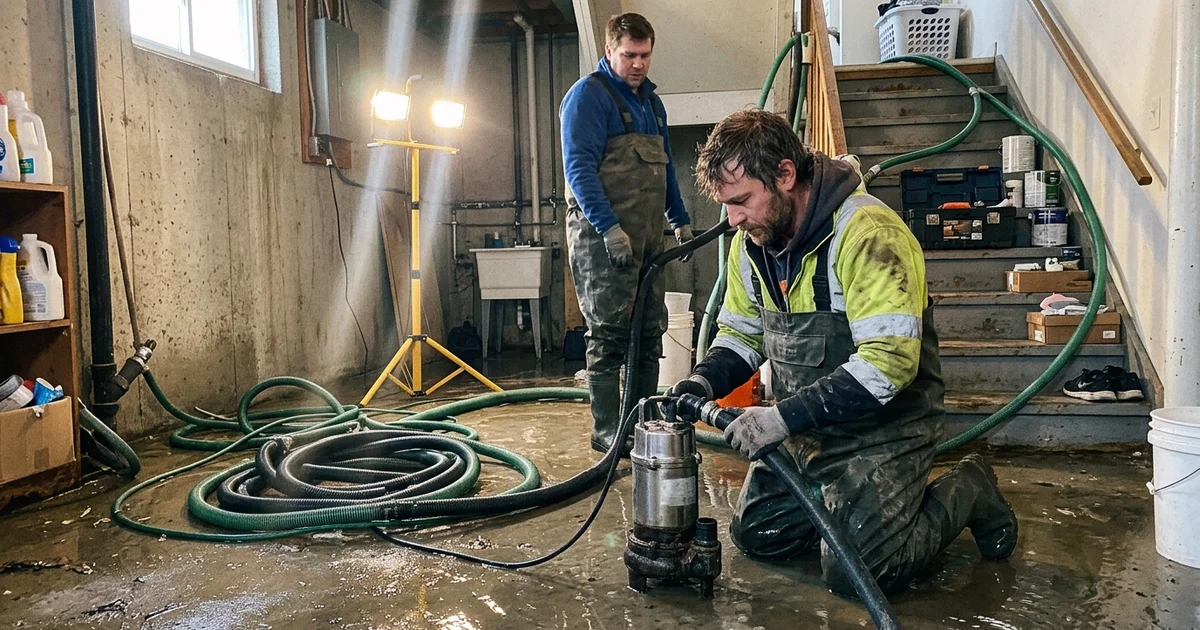
You know how overwhelming a basement feels when it is packed with decades of stored belongings.
Add a raw basement sewage backup to that densely packed space, and the situation instantly becomes paralyzing.
Our biohazard and trauma cleanup crews handle these sensitive environments with absolute discretion and strict containment protocols. Standard water extraction rules simply do not apply when dealing with heavy clutter.
Let’s look at the science behind blackwater contamination. This guide explains how local infrastructure increases the risk and outlines the exact steps required to restore safety.
Why Sewage Is Handled Differently From Water Damage
Sewage is handled differently because it introduces dangerous pathogens and toxic gases into the home. This makes the situation a severe health hazard rather than a simple plumbing leak.
The Institute of Inspection, Cleaning and Restoration Certification (IICRC) S500 standard classifies water losses by contamination level. The assigned category dictates every aspect of the response.
| Water Category | Source Example | Contamination Level |
|---|---|---|
| Category 1 | Sanitary supply line | Clean, no immediate risk |
| Category 2 | Washing machine overflow | Graywater, dirty but no raw waste |
| Category 3 | Sewer backup, floodwater | Blackwater, extreme biological hazard |
The Immediate Danger to Stored Belongings
This Category 3 water carries aggressive bacteria like E. coli and salmonella. It also contains viruses including hepatitis A, and parasitic organisms.
In homes with dense storage, the danger multiplies rapidly. Porous items like cardboard boxes, newspapers, and clothing absorb this blackwater immediately.
“Bacteria and harmful pathogens can survive inside damp, porous materials for months if left untreated.”
Time accelerates the danger in these environments. A Category 2 loss left sitting will degrade into a Category 3 biohazard within roughly 48 hours.
The moisture also creates ideal conditions for Stachybotrys chartarum, commonly known as black mold, to colonize stored items. Because of these severe health risks, a blackwater cleanup requires specialized biohazard remediation.
We deploy technicians wearing full personal protective equipment to prevent cross-contamination. Strict protocols ensure the safety of everyone in the house.
The Cincinnati Context
For effective sewage backup cleanup, Cincinnati homeowners must understand a predictable pattern driven by aging municipal infrastructure. Heavy rainfall frequently overwhelms the Metropolitan Sewer District of Greater Cincinnati (MSD) combined sewer system.
This forces raw waste up through the lowest connected point in a property. That entry point is almost always a basement floor drain.
Cincinnati’s network includes over 200 combined sewer overflow outfalls. Older neighborhoods with combined sewers face the highest exposure.
These high-risk areas include:
- Covington
- Hamilton
- Historic parts of Cincinnati
Recent weather events highlight the severity of this local problem. During the extreme storms in July 2026, MSD investigated over 1,500 reports of residential sewer backups.
How Storage Habits Increase Local Risk
For individuals dealing with hoarding disorder, the basement often serves as a primary storage area. This reality makes the lowest level of the home particularly vulnerable to sudden municipal surcharges.
If your property has backed up once, the risk of a repeat event remains high.
We evaluate the property during cleanup to flag whether a backwater valve or a drainage change is worth considering. The MSD also operates a Sewer Backup (SBU) program.
This program sometimes assists residents with cleanup costs following eligible events.
What the Cleanup Involves
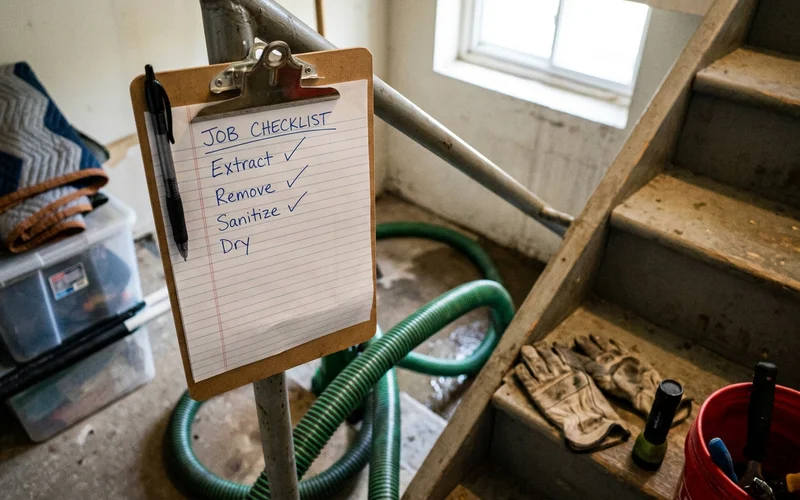
Professional cleanup involves a strict sequence of extraction, targeted demolition, sanitization, and structural drying. Extraction comes first, utilizing truck-mounted vacuum units to remove standing water and contaminated solid waste.
Then comes the critical phase of material removal. Working in a heavily occupied space requires compassion, but safety dictates that all porous materials touched by sewage must be discarded.
Carpet, padding, and saturated cardboard boxes come out immediately. Drywall is cut back 12 to 24 inches above the visible water line.
This creates a “flood cut” that allows the wall cavity to dry properly. Gypsum board wicks moisture upward and cannot be saved after Category 3 exposure.
Our crews focus on saving non-porous items wherever possible to help preserve meaningful possessions. These salvageable materials typically include:
- Solid wood furniture
- Concrete flooring
- Sealed metal shelving
- Glass or ceramic items
Sanitization follows with EPA-registered antimicrobial products applied directly to every affected surface. This full-contact treatment includes the structural framing exposed behind the removed drywall, and it follows the same sequence described in the biohazard remediation process step by step.
The Final Stages of Restoration
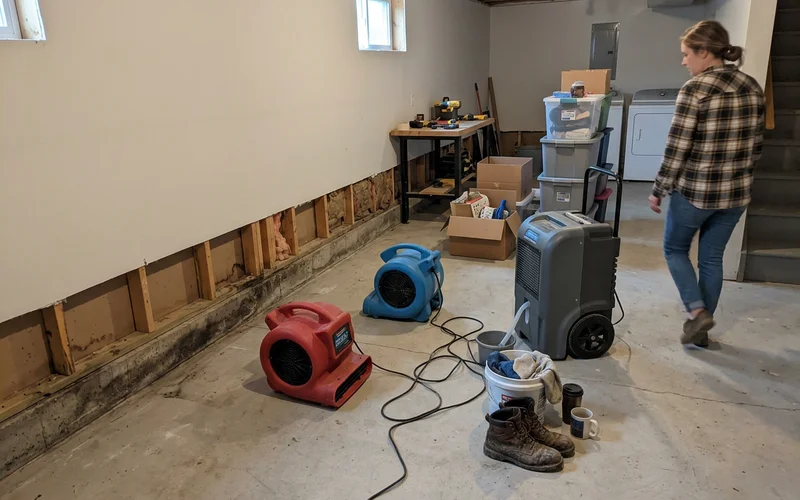
Drying is the phase people often cut short. Stopping the drying process early leads to massive secondary damage.
Air movers and commercial dehumidifiers must run for several days.
“Declaring a basement dry simply because it feels dry is exactly how toxic mold problems emerge weeks later.”
Technicians monitor moisture readings daily throughout this period.
Deodorization finishes the job and restores a sense of normalcy to the home. Sewage odor penetrates deep into building materials and stored items. Source removal combined with industrial air scrubbing is the only effective way to permanently clear the air.
What to Do Before We Arrive
The absolute most important step you can take before help arrives is to stay out of the contaminated water. Do not attempt to wade through the area to rescue stored items.
Raw sewage carries high levels of infectious disease and dangerous hydrogen sulfide gas. Do not use the affected plumbing fixtures anywhere in the house.
If you can safely reach the electrical panel without stepping into water, cut the power to the affected area immediately. If you cannot reach the panel safely, leave it alone.
Airflow management is also critical during the early hours of a backup. Take these immediate steps to control the air:
- Turn off the HVAC system to prevent contaminated air from circulating.
- Keep the furnace or AC fan switched off.
- Open windows if the outside weather permits.
Protecting Unaffected Areas
You can move undamaged, dry items away from the access doors if you can do so safely. However, do not try to pull soaked boxes or rugs out of the basement yourself.
Then make the call for professional help.
Response times matter immensely in biohazard situations. Securing help 24 hours a day directly impacts the final cost and scope of the project.
Protect your home and health by taking action immediately.
For properties where contamination has spread beyond the immediate area, check our resource on when a property needs professional disinfection. This guide covers the broader protocols required for heavy contamination.
Frequently Asked Questions
Is sewage backup a biohazard?
Can I clean sewage myself?
Does my drywall and flooring have to come out?
Does insurance cover sewage backup?
Related Guides
How Much Does Biohazard Cleanup Cost in Ohio?
What drives biohazard cleanup cost in Ohio, from labor and medical-waste poundage to containment, plus insurance coverage and deposit terms.
The Biohazard Remediation Process Step by Step
See the full biohazard remediation process: assessment, containment, removal, EPA-registered disinfection, ATP verification, and clearance documentation.
Fentanyl and Drug Residue Decontamination
Safe fentanyl and drug-residue decontamination in Cincinnati for landlords, buyers, and first responders, covering surface contamination risks, PPE, and verification.
Is It Safe to Clean Up Biohazards Yourself?
Why DIY biohazard cleanup is dangerous, covering bloodborne pathogens, cross-contamination, respiratory hazards, and legal liability, and when to call professionals.
Learn more about Biohazard & Trauma Scene Cleanup
If this guide described your situation, our biohazard cleanup service page walks through the full process, pricing, and what happens after you call.