
Recovering Valuables and Important Documents During a Cleanout
How we search for and recover cash, jewelry, documents, and keepsakes during a cleanout, categorized and returned to you, never blind junk removal.
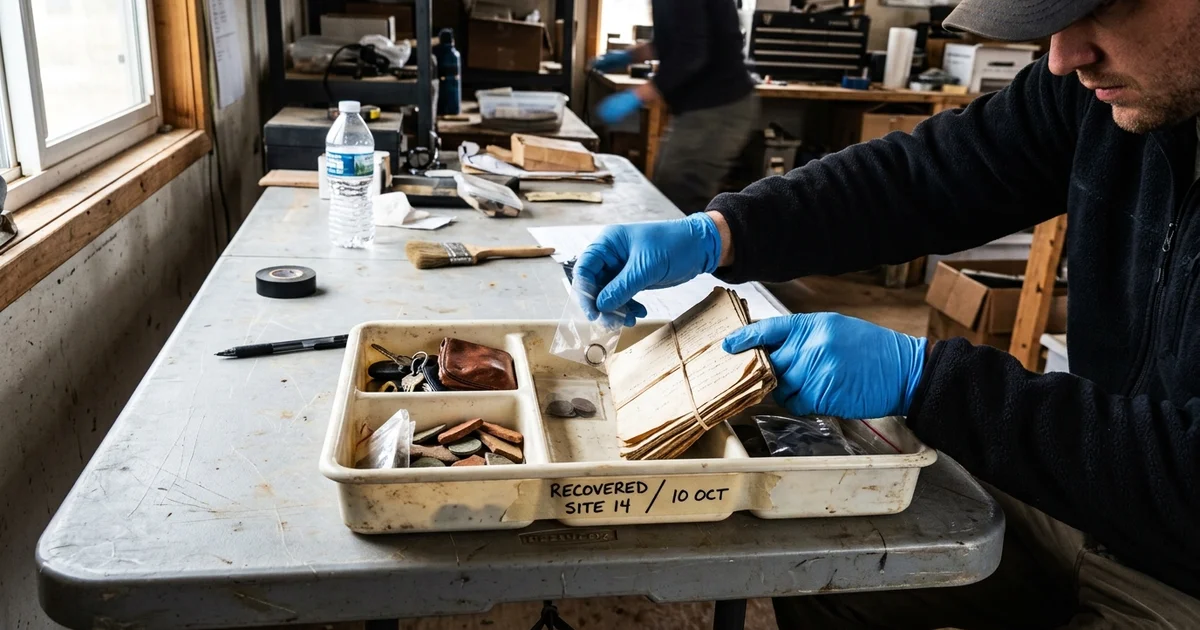
You know how quickly a property clearance can go sideways when a hauling crew blindly throws everything into a dumpster. The dividing line between a successful project and a devastating loss often comes down to the recovery process. Finding valuables during hoarding cleanout operations requires a completely different approach than standard junk hauling.
Our professional service team has witnessed exactly what gets left behind when speed is the only priority. Families lose irreplaceable heirlooms and significant financial assets simply because nobody bothered to look inside an old book or a cereal box.
I will break down exactly where these missing items tend to hide and the specific methods required to find them. Let’s look at the data behind unclaimed assets and explore practical ways to secure your family’s property during a clearance.
The Difference Between a Cleanout and a Cleanup
A standard cleanup relies on speed to clear space rapidly, while a proper cleanout requires careful hand-sorting to protect hidden assets. Junk removal companies move material in bulk, which works fine for a garage full of broken furniture but fails miserably in a hoarded home.
We approach these environments with a completely different mindset. Instead of shoveling debris into bins, our hoarding cleanup and biohazard remediation crews sort every item by hand. This careful process takes weeks rather than a single afternoon.
The results are definitely not marginal. Over three decades, this brand has returned wedding rings, cash envelopes, savings bonds, and irreplaceable family photographs from material that looked like absolute refuse.
| Service Type | Average US Cost (2026) | Typical Timeframe | Recovery Focus |
|---|---|---|---|
| Standard Junk Removal | $500 to $1,500 | 1 to 2 days | None (Bulk Disposal) |
| Level 4 Hoarding Cleanout | $5,000 to $10,000+ | 1 to 2 weeks | High (Hand-Sorted) |
Data shows that standard junk removal teams average one to two days for a typical property. True remediation crews require much more time to properly vet the contents of a hoarded home. You get the benefit of a thorough search that prevents high-value items from ending up in a landfill.
Where Things Actually End Up
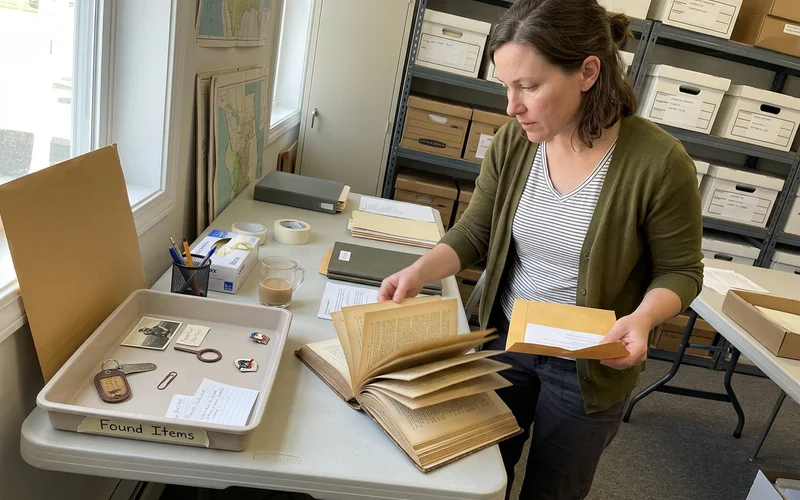
Valuables consistently migrate to the most unlikely containers over years of accumulation. Efforts to recover documents hoarding victims have kept hidden require a methodical approach, because the patterns always repeat.
Cash is rarely sitting in a wallet on a nightstand. Federal Reserve data from May 2026 shows that only 64% of US adults can cover a $400 emergency using cash, yet older adults frequently keep thousands of dollars hidden at home. They fold bills into envelopes, tuck them between book pages, or tape them under drawers in closets nobody has opened in years.
Experienced technicians always check these common hiding spots:
- Stale Food Boxes: Cereal and cracker boxes often hold rolled cash or jewelry.
- Winter Coat Pockets: Garments packed tightly in closets frequently contain forgotten savings.
- The Backs of Picture Frames: Older generations commonly taped bonds or large bills behind family portraits.
- Books and Magazines: Pages act as perfect filing systems for cash and stock certificates.
Our teams routinely check these specific hiding spots before anything leaves the house. You would be amazed at how many assets are recovered from plain sight.
According to the US Treasury Department in 2026, there are approximately $32 billion in unclaimed savings bonds nationwide. Documents, deeds, titles, policies, and financial records typically sit inside mail piles, folders, and empty cereal boxes. In homes where mail has not been opened in years, the important letters are usually somewhere in the middle of the stack rather than the top.
Photographs are usually in shoeboxes, envelopes, and the backs of frames. These items are the ones families grieve most when a hauling crew has already rushed through and taken them.
Our Search and Recovery Process
Every single item is handled individually during our recovery process. Nothing is shoveled, and absolutely nothing leaves the property until a technician has looked at it.
Technicians check the specific places listed above as a matter of routine, not as an extra service. Securing hoarding cleanup valuables is our top priority.
We open envelopes, fan books, check pockets, and inspect containers before discarding anything. Anything with apparent value or personal importance goes into a labeled recovery tray immediately rather than into a sorting bin. These trays stay on the property in a secure spot for the entire duration of the project.
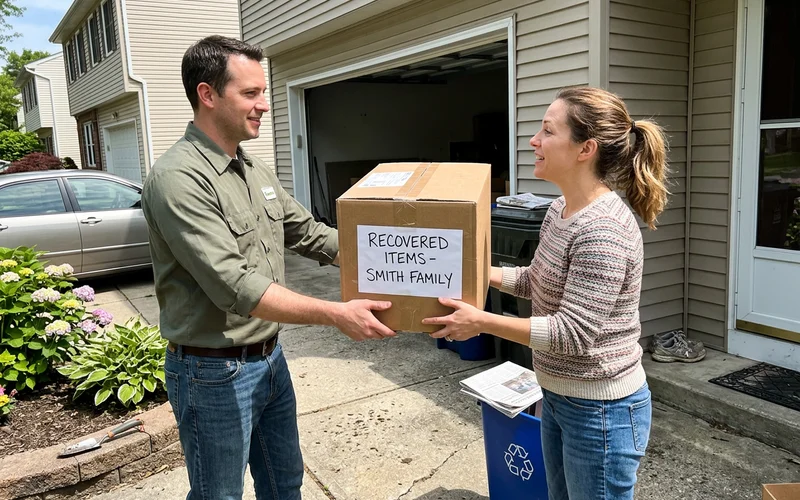
At the end of each day, and again at the final walk-through, recovered items are grouped by category. You receive all currency, jewelry, legal documents, photographs, and collectibles completely organized.
The decision always stays with you
We flag and set aside items of potential value. The final choice on what to keep rests entirely on your shoulders. If a technician thinks something matters and you disagree, your call stands. The reverse is also true, meaning nothing is disposed of before you have had the chance to look.
Chain of Custody and Discretion
Strict documentation protects everyone involved in the estate settlement process. Recovered items are immediately logged into an itemized list that an executor can confidently hand to a probate attorney.
That written record removes a lot of friction later, particularly when several family members are involved. Under US estate law in 2026, an executor has a strict fiduciary duty to secure and protect all assets. Failing to locate or accidentally throwing away valuables during a rushed cleanout can actually expose the executor to personal legal liability.
Proper documentation provides three critical benefits:
- Liability Protection: Proves the executor made reasonable efforts to secure assets.
- Family Transparency: Eliminates disputes over who received specific high-value items.
- Probate Compliance: Creates a clean, ready-to-file inventory for the court.
Our crews work in pairs on rooms where valuables are being recovered to maintain accountability. This two-person system ensures that high-value finds are witnessed, documented, and secured without question.
Vehicles remain unmarked to protect your privacy. Neighbors will not know the details of the project because nothing is ever discussed outside the property lines.
When Something Cannot Be Saved
Certain contaminated items simply pose too high of a health risk to salvage. Honesty matters more than reassurance here, especially regarding porous materials soaked in biological fluids.
Paper contaminated by biohazards frequently cannot be safely restored. Treating these materials is rarely worth the severe health risk or the massive expense. Where the information really matters, professionals can often photograph or scan the critical detail before safe disposal.
Replacing Damaged US Currency
We follow strict US regulations for biohazard disposal, sending contaminated waste to licensed medical facilities. Attempting to keep highly soiled paper puts your family at risk of exposure to dangerous pathogens.
Metal valuables, coins, and jewelry usually clean up without issue using proper EPA-registered disinfectants. Heavily damaged cash is another story entirely.
If a hoard contains burned, water-logged, or chemically damaged money, you have legal options. The US Bureau of Engraving and Printing operates a Mutilated Currency Division specifically for this exact situation.
Current Processing Times
They provide a free public service to examine and replace severely damaged notes. Current 2026 estimates show this process can take 10 to 36 months due to high demand, but they successfully replace over $35 million in mutilated currency each year.
If you are weighing whether to start, what to expect during a hoarding cleanup covers the rest of the project from assessment to final walk-through. That guide answers the exact fear keeping most families from calling for help.
Our primary goal is to ensure nothing irreplaceable gets thrown out. This careful process exists to give you complete peace of mind while resolving the situation, so reach out today to schedule a confidential assessment and protect your family’s assets.
Frequently Asked Questions
How do you find valuables in a hoard?
What happens to recovered items?
What if the homeowner is not there during the cleanout?
Can contaminated items be saved?
Related Guides
Does Homeowners Insurance Cover Hoarding Cleanup in Ohio?
How homeowners, auto, and commercial insurance can cover hoarding and biohazard cleanup in Ohio, plus programs covering up to $1,000 and claim help.
How to Help a Hoarding Parent or Loved One
A trauma-informed guide to helping a hoarding loved one without shame or conflict, covering how to approach, when to involve professionals, and respecting autonomy.
The 5 Levels of Hoarding Explained
Understand the 5 levels of the Clutter-Hoarding Scale, what each level looks like, safety thresholds, and when to seek professional help.
What to Expect During a Hoarding Cleanup
From assessment to deep clean, see exactly what to expect during a hoarding cleanup, including discretion, timeline, sorting, and donation handling.
Talk it through with someone
There is no charge to ask a question, and no pressure attached to the answer. The helpline is answered 24 hours a day, every day of the year.