
The 5 Levels of Hoarding Explained
Understand the 5 levels of the Clutter-Hoarding Scale, what each level looks like, safety thresholds, and when to seek professional help.
What the Clutter-Hoarding Scale Actually Measures
We know the first question families ask is usually about the 5 levels of hoarding and where their situation fits. Finding an objective baseline separates simple clutter from a serious safety hazard.
The American Psychiatric Association estimates that 2.6 percent of US adults experience hoarding disorder today. Our team relies on the Clutter-Hoarding Scale to give you clear answers without any guesswork. This tool from the Institute for Challenging Disorganization rates five specific categories.
These include household functions, sanitation, the presence of pets, structural integrity, and exterior conditions. We assess properties across all five of those specific areas.
The final level reflects the absolute worst category, not an average score.
That specific scoring method matters immensely. Our experience shows that a house might feature a perfectly tidy living room. You could still have a Level 4 situation hiding down in the basement. Visual inspections from the front door simply do not provide enough information.
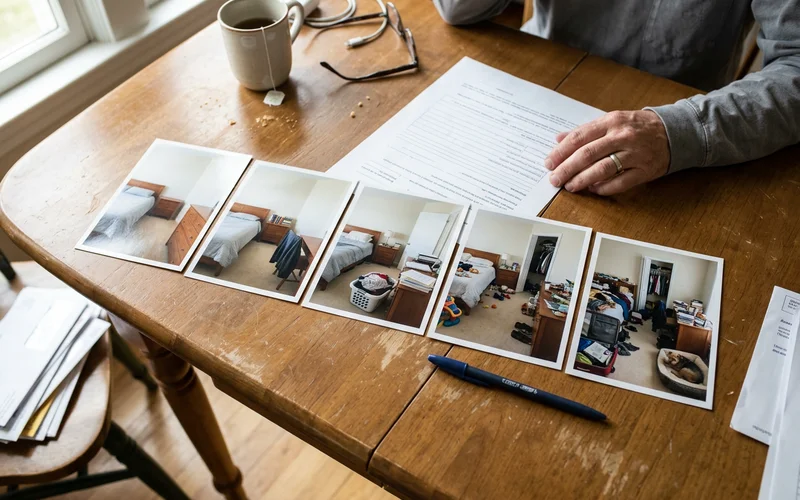
We always recommend getting a professional assessment before making any big decisions. If you need help scoring a home, our hoarding cleanup and biohazard remediation team can review your photos at no charge. Getting an expert opinion is typically much faster than categorizing it yourself.
The Five Levels, Described Plainly
These stages help professionals categorize the physical severity of the home environment. You can use this information to determine the right kind of help. Our table below outlines the basic costs and concerns you will encounter across the US this year.
| Hoarding Level | Primary Concern | Estimated US Cleanup Cost (2026) |
|---|---|---|
| Level 1 | Light clutter, behavioral signs | $1,000 - $3,000 |
| Level 2 | Blocked exits, early pests | $2,000 - $5,000 |
| Level 3 | Narrow pathways, outside visibility | $3,000 - $8,000 |
| Level 4 | Structural damage, biohazards | $8,000 - $15,000 |
| Level 5 | Severe hazards, condemnation risk | $15,000 - $25,000+ |
Reviewing these benchmarks gives you a clear financial picture before making any calls. Having these hoarding levels explained plainly makes a huge difference in your planning. We want to outline exactly what each stage looks like in the real world.
Level 1: Cluttered but functional
The lowest tier features light clutter where all doors and stairways remain fully accessible. The home stays completely safe and sanitary. You might notice light pet odor or disorganized closets, but household systems operate normally.
Our clients at this stage rarely require professional remediation services. A dedicated weekend and some trash bags will usually solve the physical problem. Distress over throwing away junk mail is a common early behavioral indicator here.
We look for these subtle signs rather than extreme physical hazards. The physical cleanup costs typically range from $1,000 to $3,000 if you hire standard junk removal services in the US. Most people just need a clear plan to regain control of their space.
Level 2: Blocked exits and early sanitation issues
One blocked exit immediately bumps a property into the second tier. Appliances like a dishwasher or washing machine might be out of service. You will notice a distinct odor and light mildew in bathrooms or kitchens.
Our team frequently spots early pest activity, like mice droppings under the sink. Housekeeping has slipped past the point where a person can easily recover alone. The National Fire Protection Association warns that even one blocked door drastically increases the risk of a fatal fire.
We prioritize safety by clearing pathways before attempting any deep cleaning. Professional organizers often step in at this phase to establish better systems. Early intervention prevents the situation from spiraling into a health crisis.
Level 3: Visible clutter outside, pathways narrowing
Clutter spills out into the yard and becomes visible from the street at this stage. Inside the home, at least one bedroom or bathroom is completely unusable. Narrow walking trails replace open hallways.
Our phones usually start ringing when families reach this exact tipping point. Pest infestations become firmly established, and pet waste may sit uncleaned on the floors. Average cleanout prices in the US now sit between $3,000 and $8,000 for a standard medium-sized home.
We see a sharp increase in professional intervention costs at this tier. These projects require dumpsters, heavy lifting, and specialized sanitation protocols. The local health department might start receiving complaints from neighbors.
Level 4: Structural damage and biohazard conditions
Severe structural damage appears here, often caused by plumbing leaks that went ignored for years. Sewage backups and massive mold colonies create dangerous breathing conditions. You will find large-scale rodent infestations and accumulated animal or human waste.
Our technicians must wear full Personal Protective Equipment per OSHA regulations to enter safely. The home is completely unsanitary and usually unsafe for human occupation. Rotted subflooring often hides beneath layers of saturated debris.
We frequently find hazardous chemicals from old cleaning supplies leaking and mixing together.
This tier moves strictly into biohazard territory. You cannot safely handle this cleanup with standard trash bags and a pair of gloves.
Level 5: Severe structural and health hazards
The most extreme tier involves no functioning utilities, massive fire hazards, and standing human waste. Rodent populations operate at scale inside the walls and cabinets. The sheer weight of stored items threatens structural collapse.
Our remediation crews approach these properties as hazardous waste sites rather than residential homes. Local Adult Protective Services or city code enforcement agencies frequently issue condemnation notices at this stage. The entire property requires complete biological decontamination.
We see extreme cleanup costs easily exceed $15,000 to $25,000 in the US right now. Heavy machinery, specialized waste disposal permits, and complete structural tear-outs drive up the final bill. These environments require a highly coordinated professional response.
The Safety Thresholds That Matter More Than the Number
Honestly, the specific classification number matters less than three critical safety thresholds. You must watch for these primary dangers:
- Blocked Egress: A person must be able to escape the house quickly, and first responders need immediate access.
- Biological Contamination: Finding mold, raw sewage, or animal waste changes the entire scope of the project.
- Structural Failure: Floors that sag under heavy loads and ceilings showing dark water stains require immediate attention.
Our training aligns with the National Fire Protection Association, which cites crowded heating and cooking equipment as a leading cause of home fires. This creates an immediate emergency regardless of the formal hoarding score. The presence of biological hazards requires a completely different approach to safety.
We follow strict Environmental Protection Agency guidelines for regulated waste disposal once a home crosses this line. If you are unsure about your situation, our guide on when clutter becomes a biohazard walks through the specific warning signs. Acting on structural warning signs right away prevents a bad situation from becoming a tragic one.
We urge families to address these issues immediately rather than waiting for a convenient time.
Where to Go From Here
Understanding the 5 levels of hoarding does not instantly fix the physical mess. It does provide a shared vocabulary to stop arguments about how bad the situation has become.
You can finally determine if you need a standard junk removal service or a specialized team. Our crew handles every stage of this scale across the US.
From simple pack-rat cleanouts to dangerous properties facing code violations, professional help makes a difference. A free, confidential assessment gives you the facts you need to make a solid plan.
We encourage you to schedule a consultation today and take the first step to a safe living space.
Frequently Asked Questions
What is the Clutter-Hoarding Scale?
At what level should I call a professional?
Can a Level 4 or 5 home be restored?
Does the level determine the price?
Related Guides
Does Homeowners Insurance Cover Hoarding Cleanup in Ohio?
How homeowners, auto, and commercial insurance can cover hoarding and biohazard cleanup in Ohio, plus programs covering up to $1,000 and claim help.
How to Help a Hoarding Parent or Loved One
A trauma-informed guide to helping a hoarding loved one without shame or conflict, covering how to approach, when to involve professionals, and respecting autonomy.
Recovering Valuables and Important Documents During a Cleanout
How we search for and recover cash, jewelry, documents, and keepsakes during a cleanout, categorized and returned to you, never blind junk removal.
What to Expect During a Hoarding Cleanup
From assessment to deep clean, see exactly what to expect during a hoarding cleanup, including discretion, timeline, sorting, and donation handling.
Talk it through with someone
There is no charge to ask a question, and no pressure attached to the answer. The helpline is answered 24 hours a day, every day of the year.