
What Crime Scene Cleanup Includes
What crime scene cleanup includes: blood and fluid removal, disinfection, odor treatment, disposal, and where evidence and authority boundaries lie.
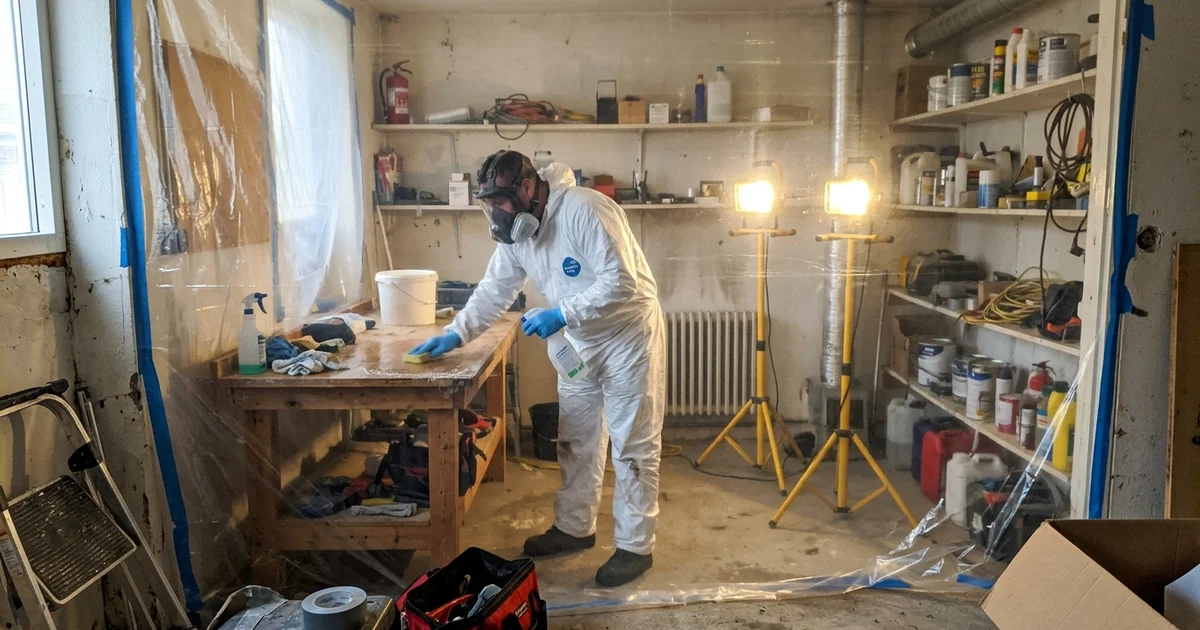
Our professional service team knows that dealing with a severe hoarding situation or trauma scene is completely overwhelming. Most families assume that once police or forensic investigators finish, the property is fully handled.
That is simply not true.
We provide a specialized crime scene cleanup service because public agencies do not handle this work. Responsibility for restoring the property sits entirely with the owner or the estate. If you are wondering what does crime scene cleanup include, this guide breaks down the complete crime scene cleanup scope.
The Boundary Between Authorities and You
Our technicians clearly state to clients that police and forensic teams are only responsible for the investigation. Their work ends when the scene has been processed and released back to the family. Cleaning up the aftermath is not part of their remit.
We frequently arrive at hoarding environments where biological hazards have compounded over years. These environments require extreme caution and specialized training. The local authorities will not clear out a Level 4 or 5 hoarding situation.
What Is Included
Blood and bodily fluid removal
We treat the removal of blood and bodily fluids as the absolute core of this work. Every affected surface is addressed during the initial assessment. According to the CDC, pathogens like Hepatitis B can survive on dry hard surfaces for up to seven days at room temperature.
Our assessment detects where fluids have traveled beyond the visible stain. Blood often seeps under baseboards, through flooring seams, and into carpet padding within minutes. Finding that spread prevents dangerous pathogens from lingering in your home.
Removal of contaminated porous materials
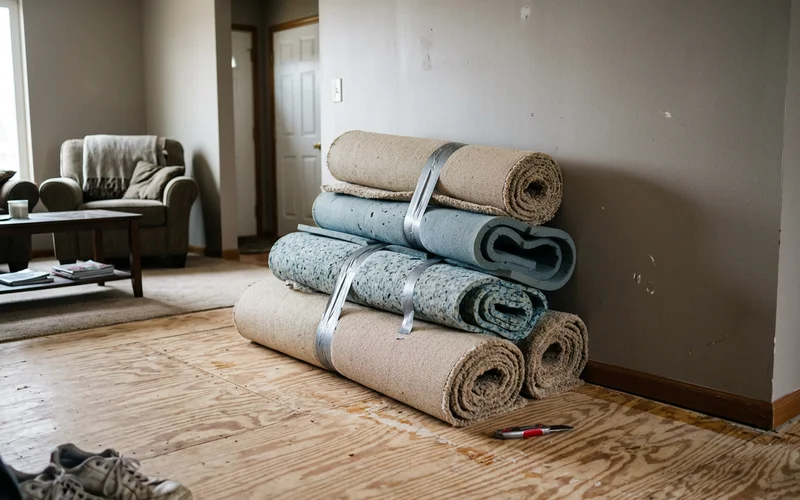
We cannot decontaminate saturated carpet, padding, upholstery, mattresses, or drywall in place. These porous materials trap biological matter deep within their fibers. Any item where saturation has reached the core is removed and disposed of as regulated waste.
Our crew will also pull up the subfloor if fluids have penetrated that deep. This drastic step is necessary to eliminate future odors and health risks. Leaving contaminated wood behind will ruin any future renovation attempts.
We regularly remove the following contaminated items from a property:
- Saturated carpeting and foam padding
- Upholstered couches and recliner chairs
- Unsealed wood subflooring and baseboards
- Mattresses and heavily soiled bedding
Disinfection of all affected surfaces
Enzymatic cleansers break down organic residue before disinfection begins. Technicians then apply a chemical from EPA List Q at full label contact time.
We treat every single hard surface in the containment zone to neutralize remaining threats. Wiping down just the visibly affected portion is a dangerous mistake. Proper dwell time ensures the chemicals completely eradicate microscopic pathogens.
Odour treatment
Our team tackles lingering odors only after all the source material is completely gone. Blood and biological material leave a distinct scent that survives basic cleaning. Standard air fresheners only mask these smells temporarily.
We utilize commercial air treatment systems to finish the job. Machines running hydroxyl generators, ozone treatments, or thermal fogging physically destroy odor molecules. This step restores a neutral, breathable atmosphere to the property.
Regulated medical waste disposal
Our technicians place everything contaminated into strict red-bag containment. The U.S. Department of Transportation heavily regulates the transport of medical waste on public highways. Improper disposal can result in massive federal fines for the property owner.
We track every biohazard box on a waste manifest to maintain a legal chain of custody. A contracted medical waste facility safely destroys the materials. You receive that official documentation for your records.
Post-investigation residue
Our scope of work also covers the remediation of specialized chemicals left behind by law enforcement. Fingerprint powder travels much further through a property than most people expect. This fine dust is genuinely difficult to remove without accidentally spreading it into the HVAC system.
We carefully clean up tear gas and other tactical residues as well. Tear gas easily permeates soft materials and ductwork. Making the space habitable again requires specialized filtration.
Verification and documentation
Our team confirms the final results objectively using Adenosine Triphosphate testing. This scientific swab detects active cellular matter left on a surface. The luminometer measures cleanliness in Relative Light Units.
We aim to achieve a strict zero score before releasing the scene. Post-remediation verification proves that the biological threat is gone. You receive final clearance documentation detailing the exact treatments.
What Is Not Included
Our crews never remove, handle, or disturb material of evidentiary interest. Anything related to an active investigation must stay exactly where it is. The cleaning process cannot begin until the police formally release the scene.
We do not include general structural repair or full renovations in our standard contract. Replacing flooring, drywall, and trim requires a separate agreement with a general contractor. General household cleaning outside the affected area is also excluded unless requested.
Our experts will honestly tell you when a room does not need remediation. Expanding the invoice unnecessarily is not how an ethical company operates. Honest assessments build essential trust during a chaotic time.
| Service Category | What Is Handled | What Is Excluded |
|---|---|---|
| Biological Remediation | Blood, fluid, and tissue removal | Standard household dusting |
| Material Disposal | Red-bagging contaminated items | General trash removal |
| Structural Work | Cutting away soiled drywall or flooring | Rebuilding walls or floors |
Timing and Access
We stage our crews nearby if you call before the scene is officially released. Work frequently begins the exact same day the authorities clear the property. Fast response times prevent contaminants from soaking deeper into the structure.
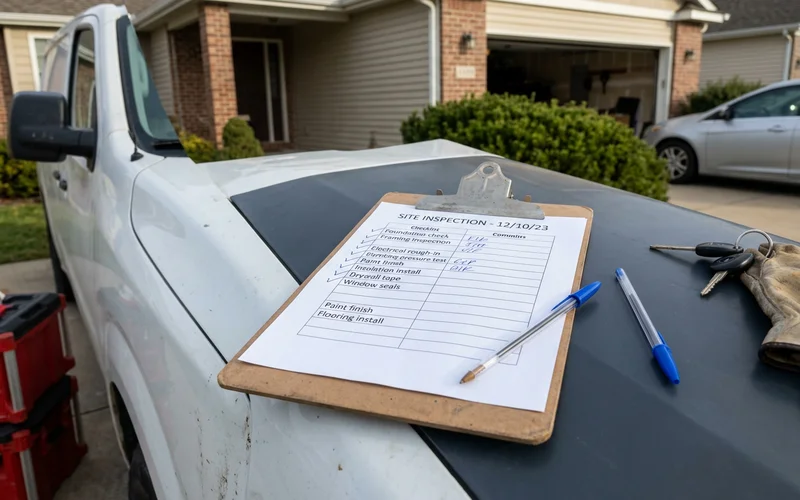
Our technicians always arrive in unmarked vehicles. There is no flashy signage identifying the nature of the work. On a quiet residential street, discretion matters more than almost anything else.
We provide this privacy standard at no extra cost. Neighbors do not need to know the private details of a family emergency. Protecting your dignity is a priority from start to finish.
The Technical Side
Our process follows strict federal regulations to guarantee the safety of everyone involved. The OSHA Bloodborne Pathogens Standard dictates exactly how these hazards are managed.
Failing to comply with these safety rules can result in federal fines exceeding $16,000 per violation in 2026.
We created a detailed resource on how blood and bodily fluid are safely removed to cover the technical containment process. That guide explains enzymatic cleansers, strike-through detection, and medical disposal in depth. Understanding the science helps explain why standard janitorial services cannot do this job.
Our team provides a free, written estimate before any work begins. The price does not change afterward unless the situation turns out to be materially different. If hidden damage is discovered, work pauses so a conversation can happen first.
We offer these crime scene cleaning services to carry this burden for you. Proper remediation ensures your property is safe to inhabit once again. Please reach out today if you need immediate assistance or professional guidance.
Frequently Asked Questions
What does crime scene cleanup cover?
Do you handle evidence?
Does cleanup include tear gas or fingerprint dust?
What is not included?
Related Guides
How Blood and Bodily Fluid Are Safely Removed
How professionals safely remove blood and bodily fluid: containment, enzymatic cleaners, EPA-registered disinfectants, strike-through detection, and disposal.
What to Expect During Crime Scene Cleanup
What to expect during crime scene cleanup: response and discretion, assessment, timeline, insurance coordination, and compassionate communication.
Learn more about Crime Scene Cleanup
If this guide described your situation, our crime scene service page walks through the full process, pricing, and what happens after you call.