
What to Expect During Crime Scene Cleanup
What to expect during crime scene cleanup: response and discretion, assessment, timeline, insurance coordination, and compassionate communication.
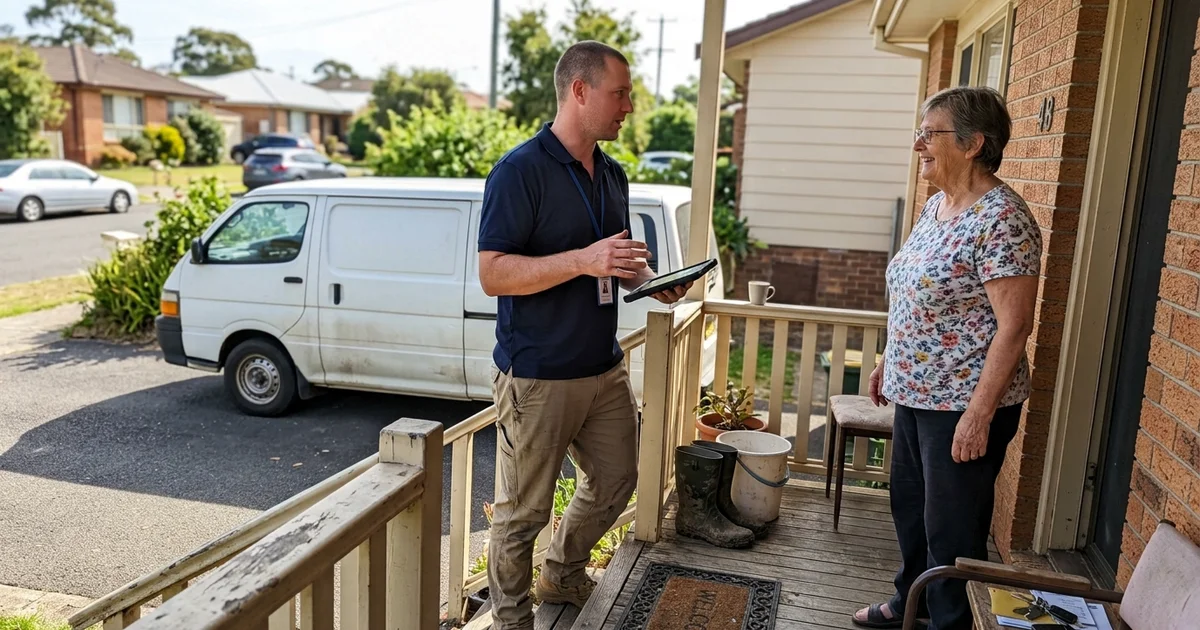
Our professional service team has noticed a recurring theme when families face severe biohazard conditions or hoarding disorder (Levels 1 through 5). The fear of neighborhood judgment often delays getting necessary help.
The hardest part about hiring crime scene cleaners is simply picking up the phone. You are likely wondering what to expect crime scene cleanup crews to do when they arrive at your property.
We handle the physical restoration carefully so you can focus on your family. Let’s look at the standard protocols and walk through the exact crime scene cleanup process you can anticipate.
The First Call
You reach a live person, not an automated queue, at any hour of any day. The initial conversation focuses on gathering just enough practical information to dispatch the right equipment.
We ask four basic questions:
- Roughly what happened at the property
- Whether law enforcement still has the scene
- The exact address and housing type
- If anyone is currently inside the space
This data dictates the response time. Dispatch usually happens within two hours for urgent situations in the US.
Our crews operate under the strict guidelines of the OSHA Bloodborne Pathogen Standard (29 CFR 1910.1030). Because biological degradation begins rapidly, securing the scene quickly is a matter of safety.
If authorities have not released the space yet, please tell the dispatcher.
We will stage teams nearby so work can begin the same day. This preparation spares you from making a second round of calls when you are exhausted.
Arrival and Discretion
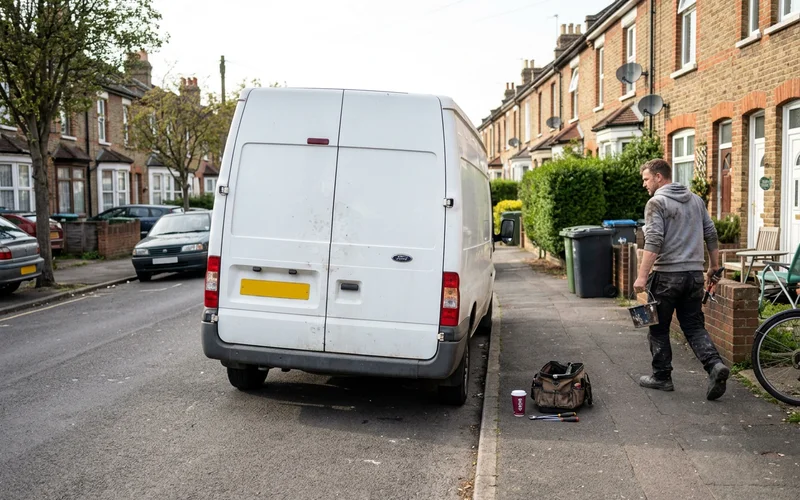
Our vehicles arrive completely unmarked to protect your privacy. Neighbors frequently watch when service trucks pull up. Discretion is a priority for families dealing with sensitive situations.
We pack all equipment into plain Pelican cases rather than carrying branded bags across your lawn. Conversations stay strictly inside the property lines.
For most overwhelmed families, this quiet approach is the detail that matters most.
Our crime scene cleanup work is built around this exact standard of privacy, rather than treating it as a premium add-on.
The Assessment
A certified technician walks the affected area before anyone touches a single item. This initial walkthrough maps the full extent of the contamination.
We utilize Adenosine Triphosphate (ATP) testing during this phase. This scientific swabbing method detects invisible biological matter on a molecular level. Fluids frequently cause strike-through, seeping past the surface and into subflooring within 15 minutes, which is why blood and bodily fluid are removed along with the materials underneath them.
Our team provides a written scope and price document before anything starts. This clear agreement covers:
| Assessment Document | Details Provided |
|---|---|
| Removal Plan | Exactly what contaminated materials are leaving the property. |
| Containment | The specific barriers required to protect clean rooms. |
| Timeline | The expected number of days to complete the project. |
Nothing begins until you have this clear document in hand.
Adjusting the Scope
We stop immediately if the situation turns out to be materially different once work begins. A revised scope is agreed upon before moving forward. This transparency prevents surprise charges later.
While the Work Is Happening
Containment goes up first to isolate the affected zone. The rest of the house generally stays usable during the process.
We run HEPA-filtered negative air machines that capture 99.97% of airborne particles. This setup prevents contaminants from migrating into clean rooms.
Most families choose to stay away while the technicians work.
Our project manager coordinates access through your designated contact. You do not need to be present during the cleanup. Valuable recovery is a top priority for families.
Recovering Valuables
We need to know if there are specific items in the affected space you want recovered before the project begins. Technicians use EPA-registered hospital-grade disinfectants to clean salvageable items. Personal documents, photographs, and valuables are carefully sanitized and set aside rather than disposed of, wherever safely possible.
Timeline
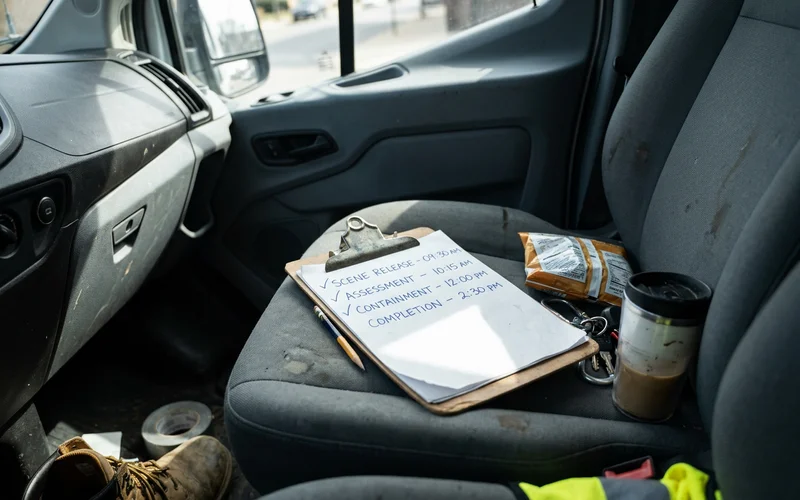
Most residential crime scene or extreme biohazard projects run one to three days for the removal and decontamination phase. The timeline depends heavily on the volume of affected material.
We frequently deploy hydroxyl generators to treat deep-set odors. This safe technology requires one to three overnight cycles. Unlike ozone treatments, hydroxyl generation is safe to use in occupied homes.
Our crews handle the restoration work, which adds further days depending on the scope of the damage. Replacing flooring, drywall, and trim requires specific construction scheduling. Common timeline factors include:
- Removal Phase: 1 to 3 days for primary biohazard clearing.
- Odor Treatment: 24 to 72 hours using advanced equipment.
- Restoration: Variable days depending on drywall and flooring needs.
We give you a realistic completion window up front rather than an optimistic guess. This honesty helps you plan your next steps effectively. Your family deserves accurate information during a crisis.
Insurance and Cost
Homeowners and commercial policies frequently cover this specialized work. Standard HO-3 insurance policies often include provisions for biohazard remediation under the perils category.
We coordinate the claim directly with your carrier and provide itemized documentation, including waste manifests and ATP verification results. Payment runs on a small credit card deposit with the balance billed later. Here is a quick look at 2026 financial expectations:
| Financial Factor | Expected Range or Protocol |
|---|---|
| Moderate Incidents | Out-of-pocket costs typically range from $1,500 to $5,000. |
| Severe Incidents | Extreme Level 4 or 5 hoarding pushes costs higher. |
| State Assistance | OVC funds provide $2,250 to $4,000 depending on location. |
Our financial team helps you explore victim-assistance options whenever they apply. Federal and state programs can help if insurance denies the claim. The Office for Victims of Crime (OVC) funds state-level programs that provide financial assistance for cleanup.
We ensure you have the paperwork needed to apply for these funds. These resources make professional cleanup accessible for more families.
How We Talk to You
Communication stays brief, plain, and free of unnecessary detail. The goal is to tell you exactly what is needed to move forward.
We understand that you are processing a difficult event. You can call the 24/7 helpline to ask a question without committing to any service.
There is no charge for the conversation and absolutely no pressure attached to it.
Frequently Asked Questions
How fast do you respond?
Will neighbors know?
How long does a crime scene cleanup take?
Do I have to be present?
Related Guides
How Blood and Bodily Fluid Are Safely Removed
How professionals safely remove blood and bodily fluid: containment, enzymatic cleaners, EPA-registered disinfectants, strike-through detection, and disposal.
What Crime Scene Cleanup Includes
What crime scene cleanup includes: blood and fluid removal, disinfection, odor treatment, disposal, and where evidence and authority boundaries lie.
Learn more about Crime Scene Cleanup
If this guide described your situation, our crime scene service page walks through the full process, pricing, and what happens after you call.